If you collect Pokémon cards, you've likely been ripping booster packs for years — the rush of tearing open foil, flipping through commons, hoping for a chase card at the back. Now there's a new option: GameStop Power Packs, where every pack contains a single PSA-graded slab revealed digitally or on a live stream.
They're fundamentally different products solving different problems. Here's how they compare.
The Quick Comparison
| Power Packs | Traditional Packs | |
|---|---|---|
| What you get | 1 PSA-graded slab per pack | 10–11 raw cards per booster (varies by set) |
| Card condition | All cards are real, PSA-authenticated slabs. Grade varies — no minimum grade is guaranteed. | Varies — raw, ungraded, handling risk |
| Price range | $25–$10,000 per pack (by tier) | $4–$6 per booster (retail) |
| Grading included | Yes — already graded and slabbed | No — separate submission required ($20–$150+) |
| Sales tax | None — Delaware vault | Applies at point of sale |
| Storage | PSA Vault (insured, climate-controlled) | Your responsibility |
| Live reveal | Available on creator streams | Only if you film it yourself |
| Physical handling | None until you request shipping | Immediate — you handle cards from the start |
| Instant resale option | Yes — Instant Buyback at 84.6% of Card Ladder value (7-day window) | No — you handle the sale |
The Case for Power Packs
No grading hassle
With traditional packs, if you pull something good, the first thing you think about is grading. That means sleeving the card carefully, submitting to PSA or CGC, waiting weeks or months, paying $20–$150+ per card, and hoping the postal system doesn't damage it in transit. With Power Packs, the grading is already done. The card is authenticated, graded, slabbed, and sitting in a professional vault. Zero friction.
No handling risk
Raw cards are vulnerable from the moment you open the pack. Fingerprints, bends, surface scratches — any of these can tank a card's grade. Power Pack cards have been professionally handled, graded, and stored from the start. You never touch the card until it arrives at your door in its slab.
The community experience
Power Packs opened on a creator's live stream are a shared experience. You watch your card revealed on camera with hundreds or thousands of other viewers reacting in real time. Traditional pack ripping is typically a solo activity (unless you're filming content). For collectors who value community, the live stream format is genuinely unique.
Instant collection building
Every Power Pack adds a graded slab to your PSA Vault collection. Over time, this builds into a professionally stored, fully authenticated collection that you can manage digitally. Traditional packs give you a handful of raw cards that need sorting, storing, and protecting yourself.
Starter — $25
A graded slab, not a raw card
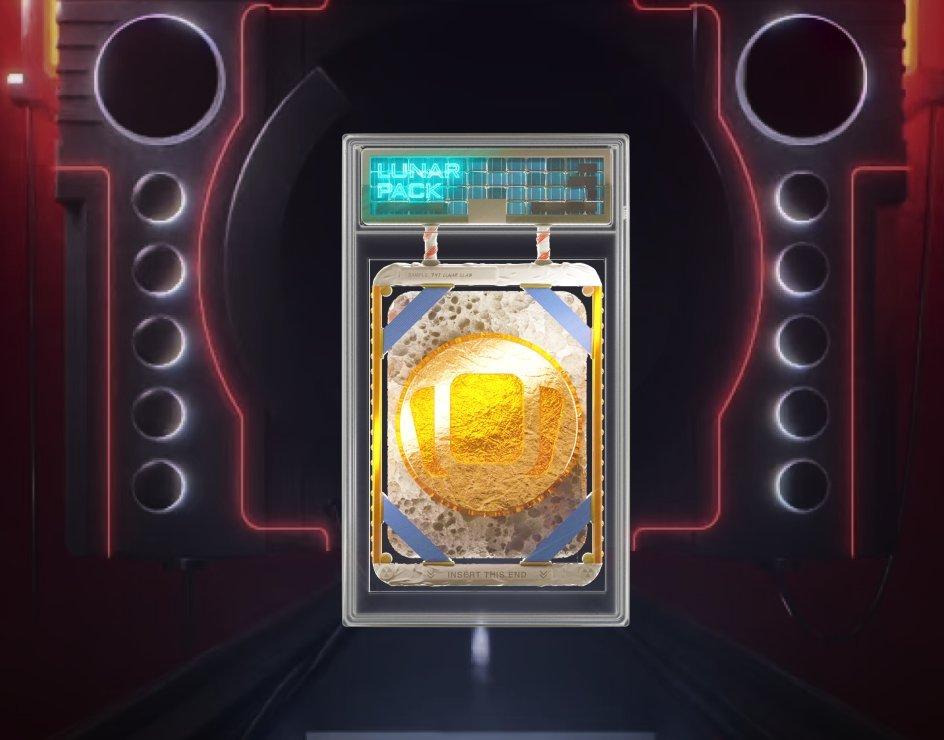
Lunar — $2,500
Trophy-tier authenticated slab
The Case for Traditional Packs
Lower entry cost
A single booster pack costs $4–$6. You can rip ten packs for the price of one Starter Power Pack. If you're on a tight budget, traditional packs let you experience the hobby at a much lower cost per opening.
The tactile experience
There's something about physically ripping open a pack that no digital reveal can replicate — the foil tearing, the card stock smell, the physical act of flipping through the cards. If the sensory experience matters to you, traditional packs have the edge here.
Set completion
If your goal is to complete a specific Pokémon set, buying booster packs (or better, buying singles) is more efficient. Power Packs draw from a general pool of PSA-graded cards — you can't target a specific set or card.
More cards per dollar
A booster pack gives you 10–11 cards for $5. A Starter Power Pack gives you one card for $25. In terms of pure card count, traditional packs deliver more product. Whether those cards are useful is another question entirely — most booster pulls are commons and uncommons worth pennies.
The Real Question: What Are You Collecting For?
| Goal | Best fit |
|---|---|
| Build a graded collection with zero hassle | Power Packs |
| Enjoy the physical ritual of opening packs | Traditional |
| Want entertainment + community | Power Packs (on a live stream) |
| Hunt a specific card from a specific set | Buy singles direct |
| On a tight budget | Traditional (or just buy singles) |
| Want a mix of both | Do both — most serious collectors do |
They're not competing products. Power Packs and traditional packs serve different needs and different moods. Most serious collectors do both — rip boosters at home for the physical experience, and watch Power Packs on stream for the community and the graded slab collection. You don't have to choose one.
Want to Try Power Packs?
If you've never experienced a Power Pack reveal, the best way to start is to watch a live stream for free. See the format in action, feel the community energy, decide if it's something you want to participate in. No cost, no commitment.
Check the Roaring Sensei homepage for the next stream date.
Next up: Say you do book a Power Pack and pull something great — how do you actually get it shipped to you, and what does it cost? → How to Ship Your Power Pack Card Home